Opportunity to Lead
Eco-Anxiety Is a Signal, Not a Symptom: How to Transform Climate Fear into Action
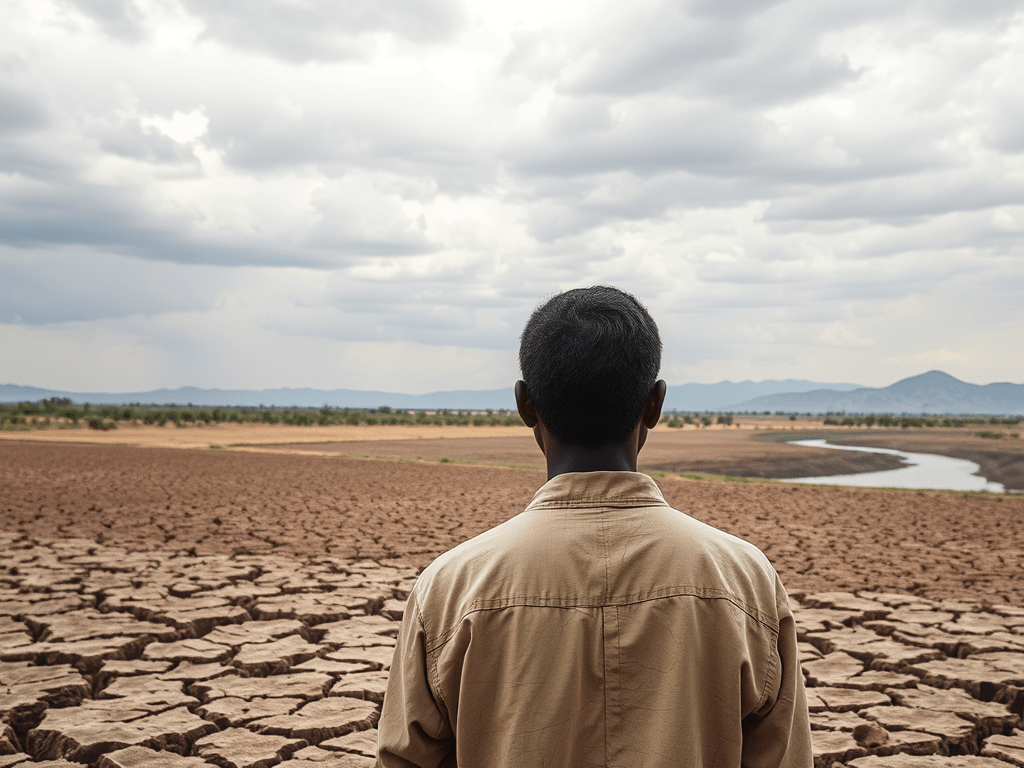
In a world increasingly impacted by climate change, more and more people, especially Gen Z, are experiencing a deep, persistent emotional response to the state of the planet. It’s called eco-anxiety, and it’s not just in your head.
Whether it’s the headlines about wildfires, floods, or melting ice caps, or the constant pressure to “do more” as individuals, the emotional toll of climate change is real. But here’s the truth: eco-anxiety isn’t a disorder to be fixed. It’s a sign that you care—and an opportunity to lead.
🌍 What Is Eco-Anxiety?
Eco-anxiety is defined as a chronic fear of environmental doom. It’s not a clinical diagnosis (yet), but psychologists and mental health professionals globally are recognizing it as a valid emotional response to ecological crisis.
Common signs include:
- Feeling overwhelmed or helpless about the future
- Guilt or shame around personal carbon footprint
- Emotional fatigue or burnout from activism
- Difficulty concentrating due to environmental worry
For Gen Z—who have grown up with climate headlines since childhood—eco-anxiety isn’t rare. In fact, a 2021 Lancet study found that 59% of youth globally feel “very or extremely worried” about climate change. Many also feel ignored by governments and leaders.
But what if we looked at eco-anxiety not as a flaw—but as a signal?
💡 Anxiety as Awareness: Reframing the Narrative
Eco-anxiety means your values are alive. You’re paying attention. You’re connected to the world around you.
And that means you have something powerful: agency.
“Anxiety is your inner wisdom kicking in. It’s saying: This matters. Let’s do something.”
— Ash Pachauri
When reframed, eco-anxiety can be the first step toward climate leadership, not the end of your hope.
🧭 5 Ways to Transform Eco-Anxiety into Climate Resilience
Here’s how to begin shifting from overwhelmed to empowered:
1. Name It, Don’t Numb It
Avoiding climate news won’t make the fear go away. Acknowledge what you’re feeling. Talk about it with friends or in community forums. Language brings clarity—and clarity brings strength.
2. Reconnect with Nature
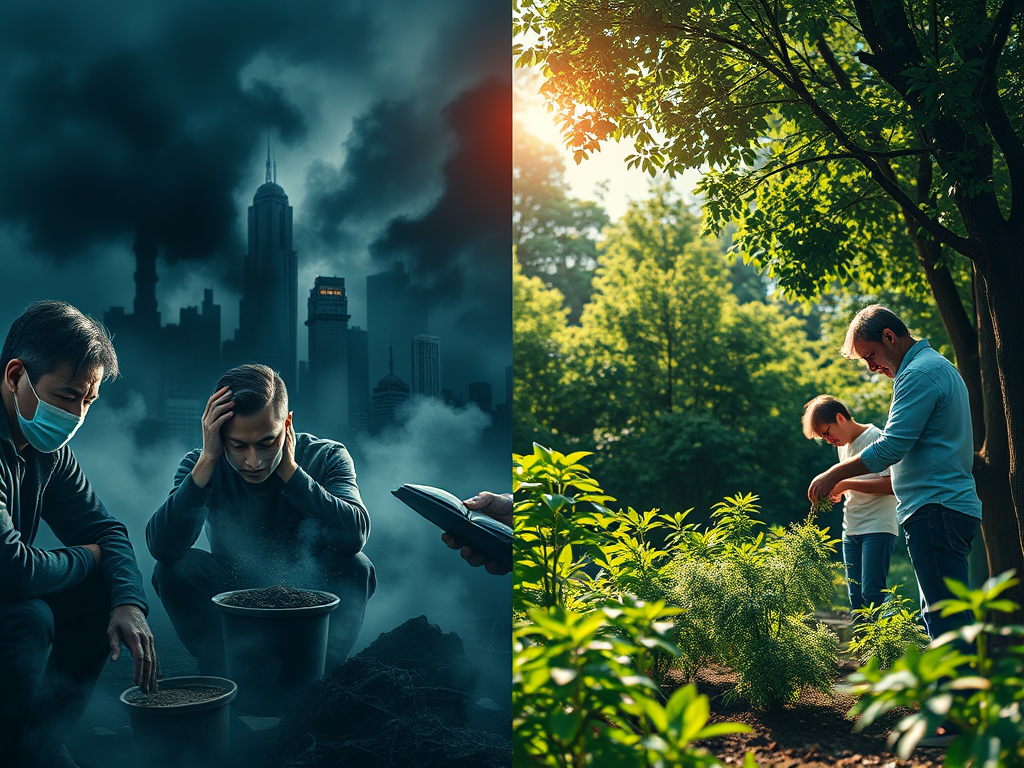
Go outside. Touch the soil. Breathe with the trees. Grounding in nature helps remind us why we care in the first place—and restores calm to the nervous system.
3. Choose a Focus Area
You don’t have to fix everything. Maybe you care most about plastic pollution, clean water, or eco-justice. Focus sharpens impact. Start small. Start local.
4. Take Imperfect Action
Start a conversation. Organize a cleanup. Launch a TikTok series. You don’t need a degree or 10,000 followers. Just consistency, compassion, and courage.
5. Join a Movement
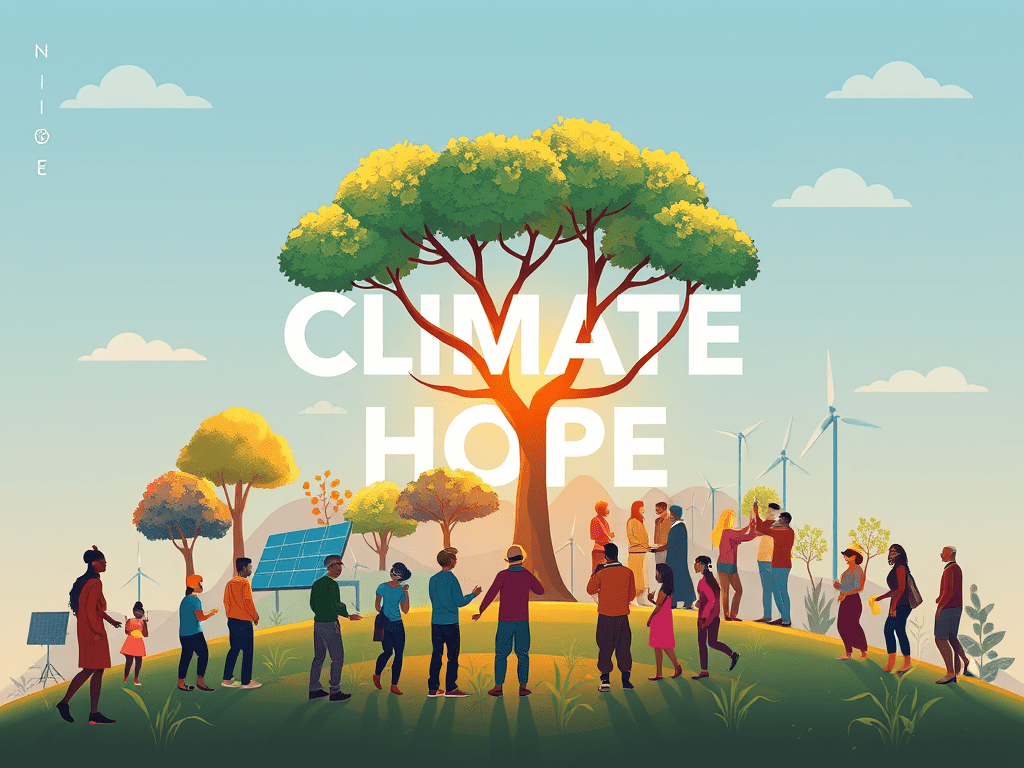
Community is the antidote to despair. Surround yourself with people who are also doing the work—imperfectly, but together. This is where momentum grows.
🔄 From Eco-Anxiety to Eco-Agency: A Path Forward
You’re not alone in feeling what you feel.
You’re not too sensitive.
You’re not overreacting.
You’re awake.
And your concern for the planet isn’t the problem—it’s the beginning of the solution.
“What if your anxiety isn’t something to overcome—but a call to become someone new?”
— Ash Pachauri
🔗 Ready to Take the First Step?
Access my guide on 7 Ways to Transform Eco-Anxiety to Action and learn how to:
- Reclaim your calm
- Clarify your climate purpose
- Start making an impact, your way
➡️ Join the Challenge Here with the POP Movement
Together, we turn awareness into action.
Together, we lead.