Category: Climate-Peacebuilding

  • Youth at the Frontlines: Climate Peacebuilders of the 21st Century

    Youth at the Frontlines: Climate Peacebuilders of the 21st Century

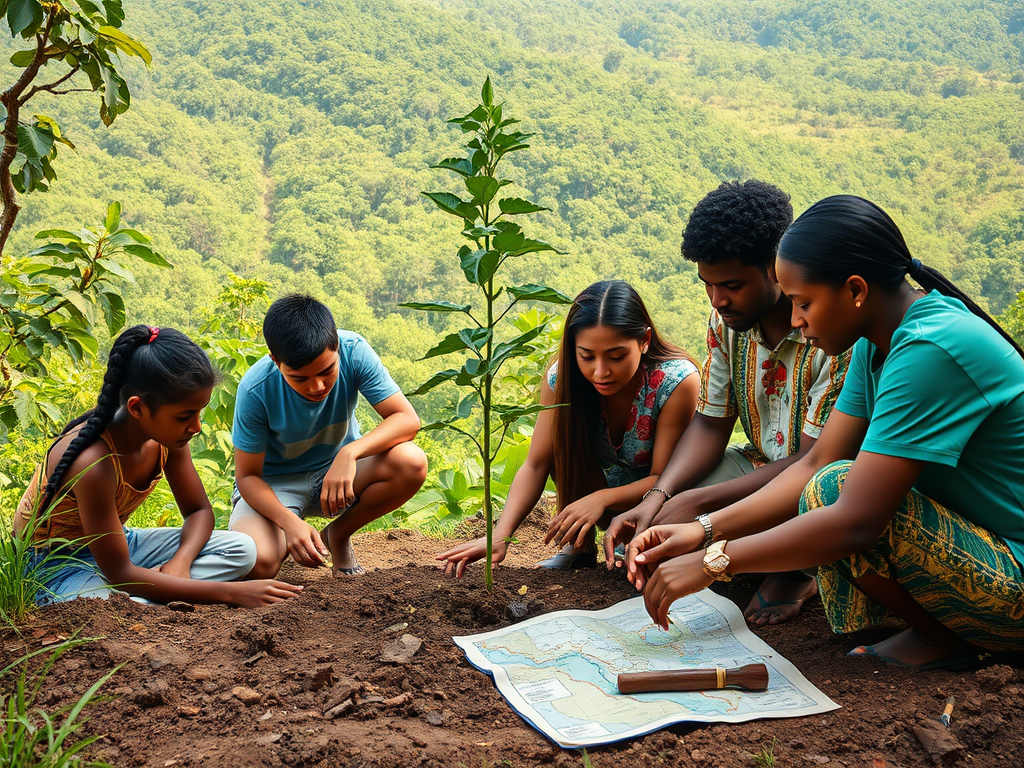
    Today’s youth are not just demanding climate action—they’re building peace through it. Whether restoring mangroves in storm-prone areas or creating dialogue between climate-affected communities, young people are rewriting what it means to be a humanitarian.

    Meet the Changemakers:

    • Youth in Colombia planting peace forests in former war zones
    • African students promoting water diplomacy across borders
    • Youth-led apps tracking climate displacement to connect aid with need

    How You Can Support:

    Meet the youth turning climate risk into peace potential. The future is collaborative. 🌿🕊 #ClimateLeadership #YouthPeacebuilders”

  • The Humanitarian Climate Agenda: Bridging Relief and Resilience

    The Humanitarian Climate Agenda: Bridging Relief and Resilience

    Disaster response and humanitarian aid must evolve to meet the new climate reality. Short-term relief is no longer enough—we need long-term resilience. From cyclone-hit coasts to drought-parched villages, humanitarian agencies must adapt.

    Bridging the Gap:

    • Pre-position aid in climate-vulnerable regions
    • Train climate-responsive disaster volunteers
    • Integrate climate risk into emergency planning

    Collaborate Across Sectors:

    • Governments, NGOs, and tech platforms must share data
    • Health, agriculture, and education sectors must align
    • Youth voices must inform strategy

    Relief must meet resilience. Let’s build a humanitarian agenda fit for a warming world. 🌪 #ClimateAid #FutureReady”

  • Peace Through Planet Protection: Indigenous Wisdom in Action

    Peace Through Planet Protection: Indigenous Wisdom in Action

    Indigenous communities have long practiced a form of environmental stewardship that is deeply tied to peace and community well-being. Protecting their rights and knowledge is crucial to creating lasting climate peace.

    What We Can Learn:

    • Restorative justice through land restoration
    • Communal living as a resilience model
    • Respect for biodiversity as a peacekeeping principle

    Protect the Protectors:

    • Uphold Indigenous land rights
    • Fund Indigenous-led climate programs
    • Challenge systems that exploit people and planet

    Indigenous wisdom isn’t ancient—it’s essential. Their peace is our planet’s survival. 🌱🧭 #IndigenousRights #ClimateJustice”

  • Climate Migration: A Humanitarian Wake-Up Call

    Climate Migration: A Humanitarian Wake-Up Call

    Every year, millions are displaced not by war, but by rising seas, crop failure, and extreme heat. Climate refugees are often invisible in policy frameworks, yet their numbers are growing. This silent exodus demands a humanitarian and compassionate response.

    The Reality:

    • Bangladesh: Displacement due to coastal flooding
    • Central America: Drought and agricultural collapse are driving migration north
    • Pacific Islands: Entire nations facing existential threat due to rising sea levels

    A Call to Action:

    • Advocate for legal recognition of climate refugees
    • Support climate-resilient housing and relocation programs
    • Pressure governments to act with compassion, not criminalization

    Not all refugees flee war. Some flee rising tides. Let’s open our hearts and policies. 🏝 #ClimateMigration #HumanRights”

  • Climate and Conflict: The Silent Link We Can’t Ignore

    Climate and Conflict: The Silent Link We Can’t Ignore

    Climate change is not just an environmental issue—it’s a peace and security issue. As resources like water and arable land become scarce, competition intensifies, and conflicts can erupt. From Syria’s drought-driven instability to migration pressures in the Sahel, the climate-conflict nexus is real and growing.

    The Hidden Crisis

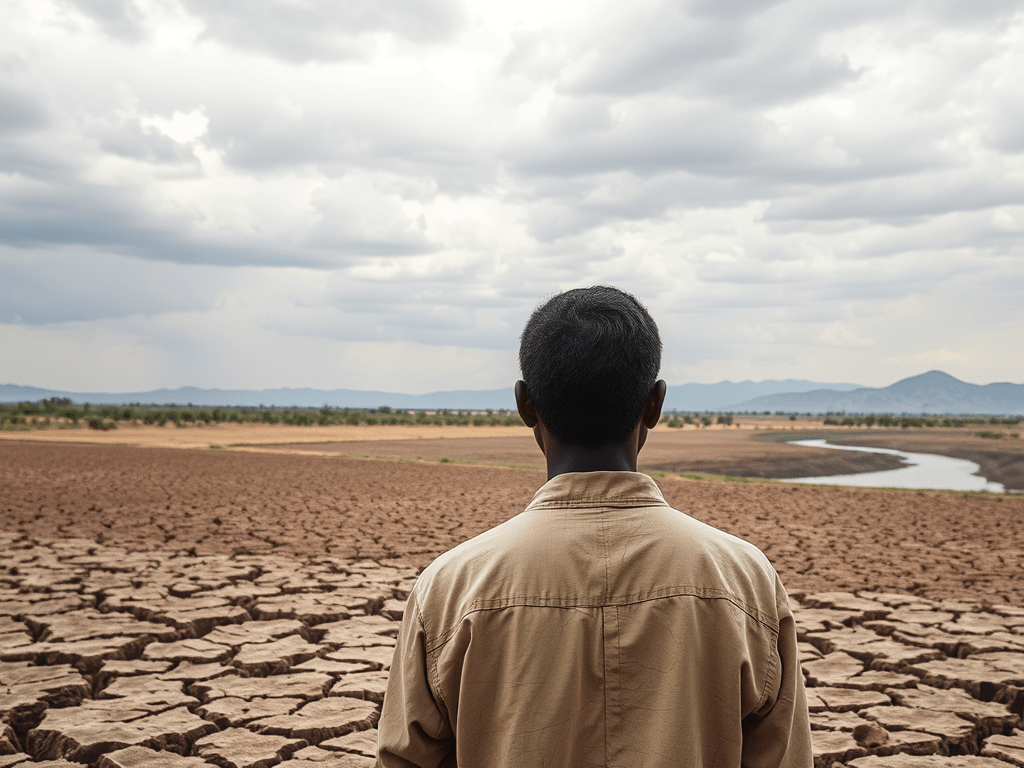
    Most discussions on war and peace overlook the environmental triggers beneath the surface. But we must ask: What happens when a farmer can no longer feed their family due to unpredictable rains? What tensions rise when a village’s only water source dries up?

    Action Steps for Climate-Peacebuilders:

    • Advocate for climate-smart foreign policy
    • Support local peacebuilding organizations with environmental literacy
    • Promote water-sharing and sustainable agriculture initiatives

    The climate crisis is a conflict catalyst. Peacebuilding must start with sustainability. 🌍🕊 #ClimatePeace #EnvironmentalJustice”